Art therapy is an amazing way to promote healing and self-discovery. It allows you to express feelings that might be too tough to put into words. When you grab some paints, pencils, or even clay, you open up a whole new world of expression. Whether it’s through drawing, painting, or sculpting, the act of creating can release stress and anxiety. It becomes a safe space to explore thoughts and emotions.
One of the coolest things about art therapy is how it boosts your mood. Engaging in creative activities can trigger the release of endorphins, those feel-good chemicals in your brain. This simple act puts you in a better headspace, helping to lift your spirit. Plus, seeing your own creations can be incredibly empowering and can boost your self-esteem.
Another benefit is how art therapy can help you process trauma and grief. It allows you to explore and work through difficult feelings at your own pace. You don’t need to have any artistic skills to benefit from it. Just the act of doodling or coloring can help you find a sense of calm amidst the chaos of emotions. It provides a way to visualize pain and find meaning in experiences that feel overwhelming.
Lastly, art therapy can foster connection with others. Joining a group or community can lead to sharing experiences and finding support. Watching others create can inspire you, while you also inspire them. It’s all about building a sense of belonging while exploring your artistic side.
Creative Ways to Explore Your Emotions
Art isn’t just about pretty pictures; it’s a powerful tool for tapping into your feelings. You might be surprised how picking up a paintbrush or doodling can help you explore what's going on inside you. Let’s look at some creative methods to dive into your emotions through art.
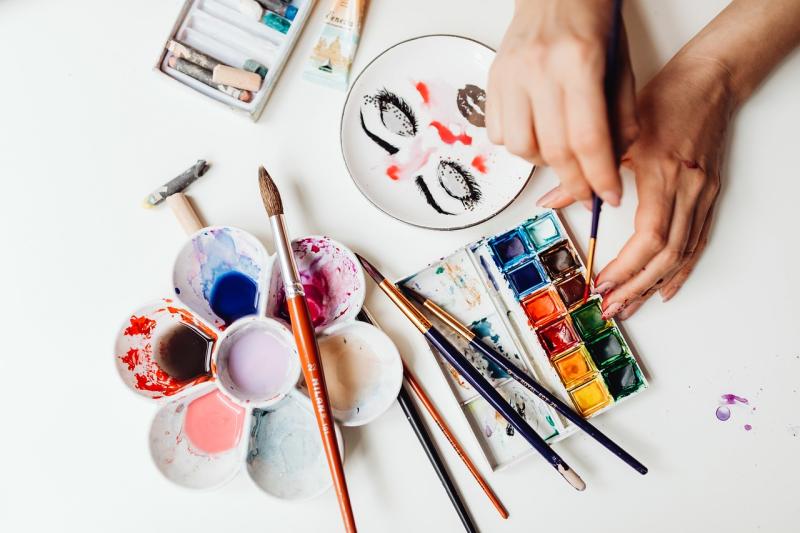
One fun way to start is by using color to express how you feel. Grab some paints or colored pencils and think about your emotions. What color represents happiness? Maybe sunny yellow or bright orange. What about sadness? Perhaps a deep blue. Start painting or drawing with those colors and let your emotions flow on the page. Don’t worry about making it perfect—focus on what those colors mean to you.
Another idea is to create a feelings collage. Gather magazines, newspapers, or prints that resonate with your emotions. Cut out images, phrases, or words that reflect how you feel. As you piece together your collage, let your intuition guide you. This isn’t about being a perfect artist; it’s about expressing your inner world in a visual way.
Journaling is a classic option, but why not mix it up with some doodling? Grab a sketchbook and let your pen roam freely. Draw symbols or little images that represent your feelings. You can doodle while you write, or just let the drawings speak for themselves. This can really open up new insights into what you might be feeling.
Exploring art can be a fun and healing journey. Each of these activities invites you to connect with your feelings in a genuine way. So, grab some supplies, let your creativity fly, and see what comes up. You might discover things about yourself that surprise you!
Choosing the Right Supplies for Art Therapy
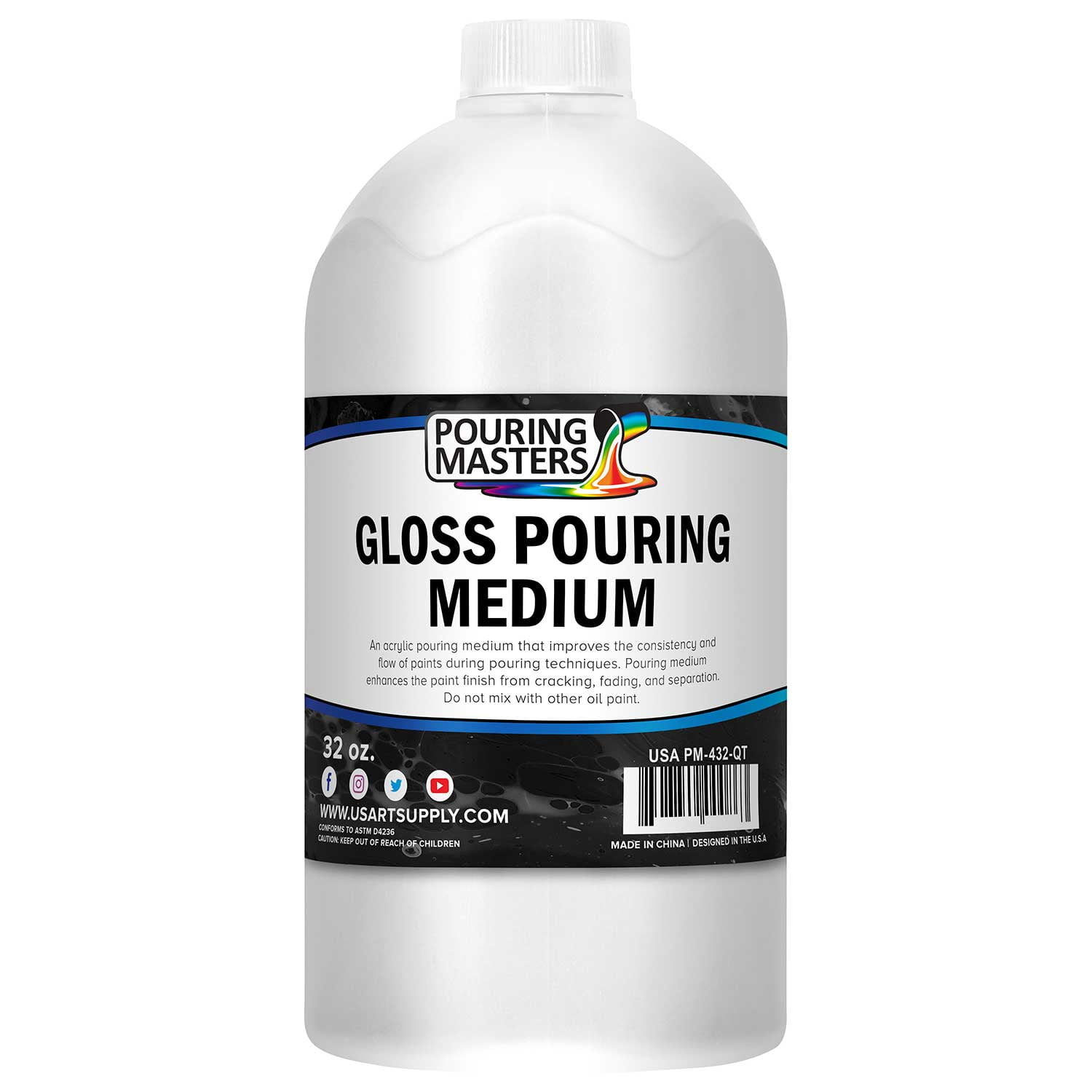
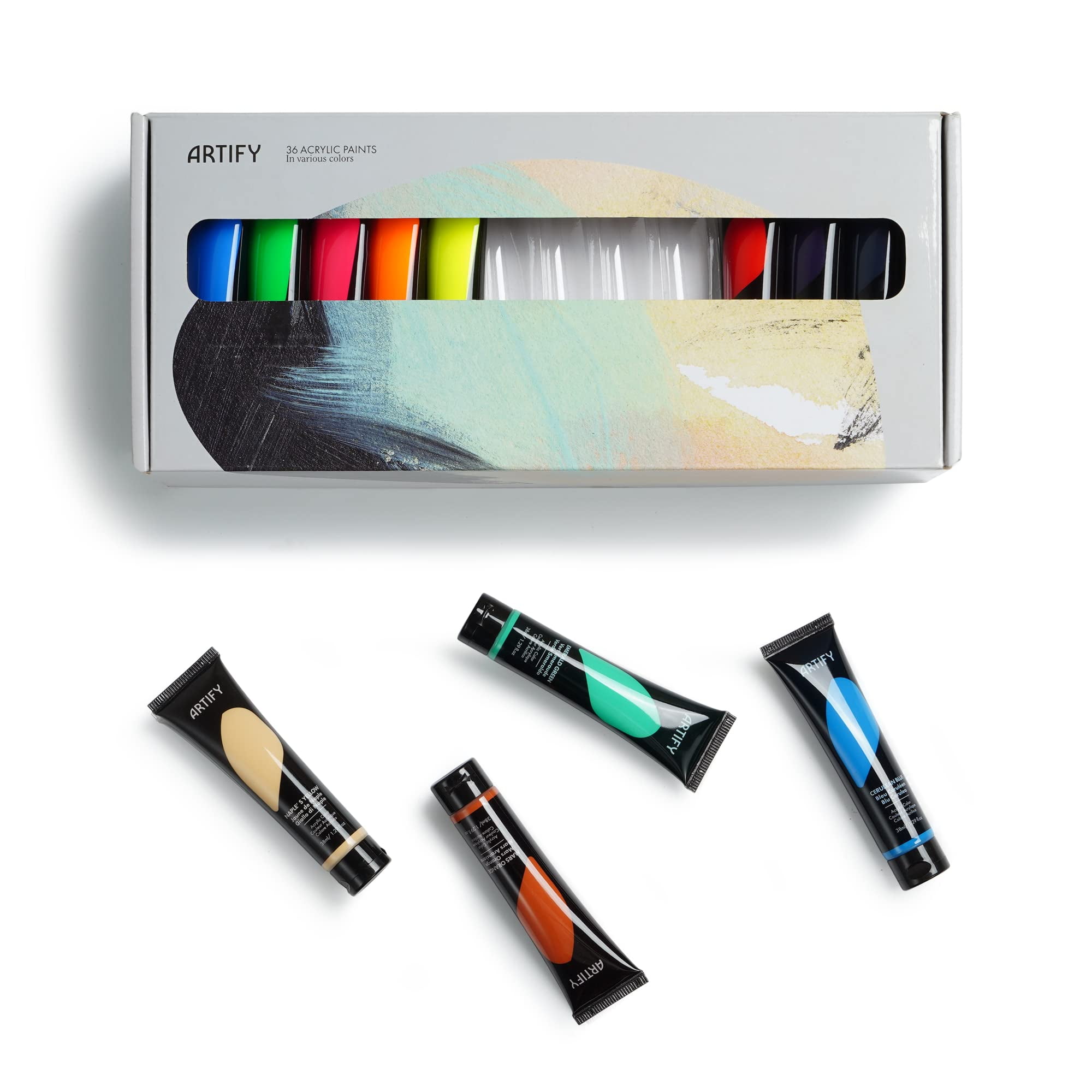
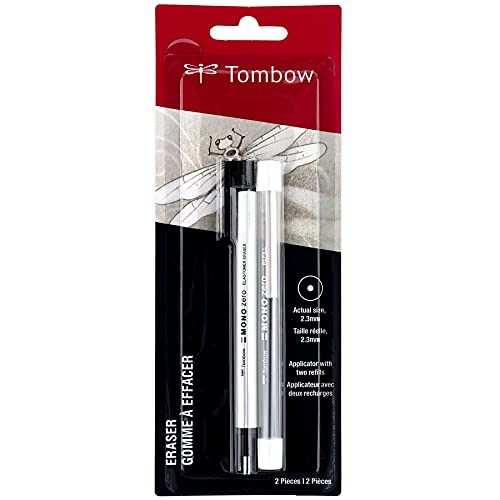
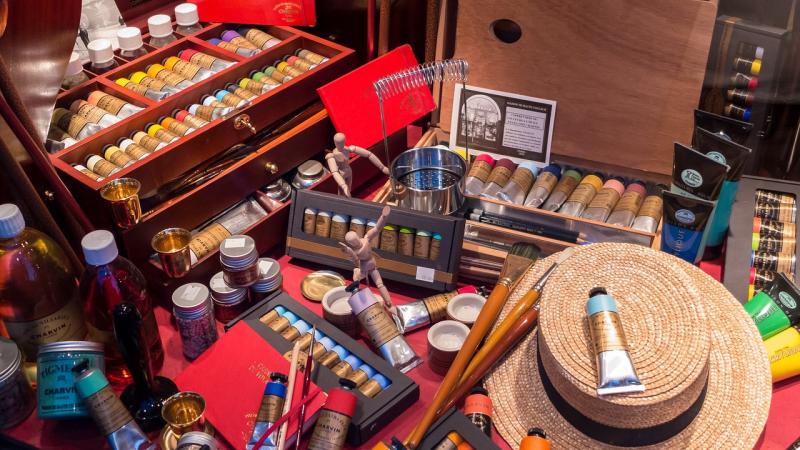
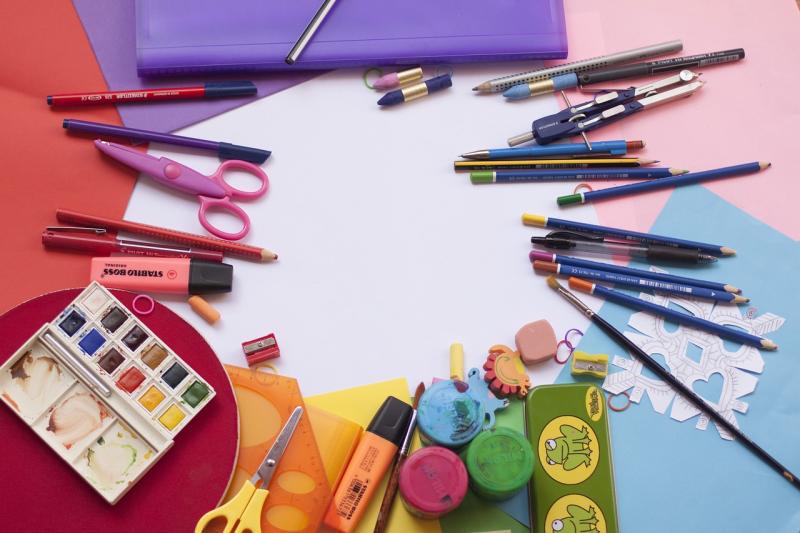
First, think about your preferred medium. Are you drawn to painting, drawing, or maybe even collage? Each type of art has its own set of supplies:
Next, don’t forget about quality over quantity. A few good-quality supplies can inspire you to create more than a bunch of cheap materials. Try brands that get good reviews and feel nice in your hands. It’s all about what feels right for you.
Lastly, let your personal taste guide your choices. Whether you gravitate towards bright colors or earthy tones, pick supplies that resonate with you. If you feel a connection with your art materials, you’re more likely to dive in and enjoy the process.
Getting Started with Your Art Journey
Starting your art journey can feel a little overwhelming, but it shouldn't be! Think of it as an adventure waiting to unfold. You don't need to be a pro to begin; all you really need is the willingness to explore and express yourself. Grab some basic supplies like sketch paper, colored pencils, or paints, and just dive in. The goal is to enjoy the process, not to create a masterpiece right off the bat.
Before you start, take a moment to set a cozy space for yourself. Find a quiet corner where you feel comfortable, and let your creativity roam. You can put on some music or light a candle to create a calming atmosphere. It’s all about making it your own sanctuary where you can express your feelings without any judgment.
When you’re ready to create, give yourself some freedom. You might want to doodle, paint, or even try some mixed media. Don’t worry about what it “should” look like. Just let your feelings guide your hands. If you ever get stuck, think about what you're feeling in that moment and let that influence your colors, shapes, and textures.
Try to set aside a regular time each week to engage in your art. Consistency can help you feel more connected to your creative side. Even if it’s just 15 minutes here and there, you’ll be surprised at how refreshing it is to let those ideas flow. Each little session builds on the last, creating a meaningful journey.